Movement in Pregnancy: Going Beyond the Physical Benefits
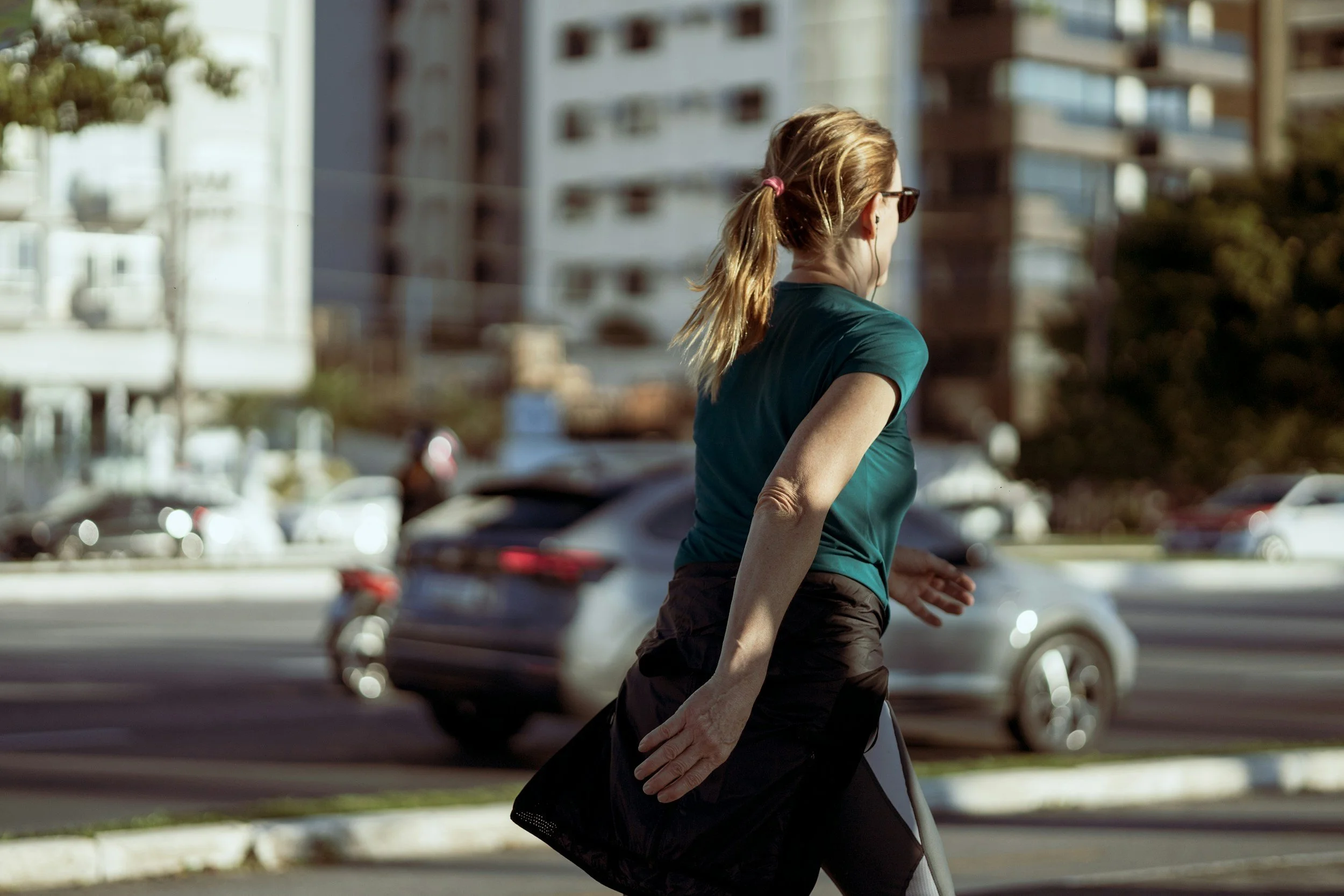
It’s commonly said that labor is a marathon. Have you ever heard of an athlete not training for a marathon? Absolutely not! They’d be out within the first five miles. The same can be said for labor. Can women give birth without prior physical exercise? Absolutely! But there is something to be said for the woman who has put her body under pressure – yes, even a brisk walk in the park – and come out the other side with a strong body and mind.
Movement in pregnancy far surpasses just physical benefits. In fact, I would argue that it's more about the mental workout than the physical, but the benefits of physical exercise are well-documented. Let’s dive into the benefits of movement in pregnancy, what movement may be best for you, and some movement to avoid.
May it be blessed!
*This information is for educational purposes only.
Benefits of Movement in Pregnancy
1. Increased blood circulation
Remember, I mentioned the increased blood volume. Well, exercise greatly affects the circulation of all that blood. Of course, this is a benefit outside pregnancy, but it’s even more important as your baby grows and his need for nutrients increases.
2. Improved placental health
This French study found that, contrary to the long-held belief that too much exercise may decrease blood flow to the placenta, the opposite is true. Just as exercise improves blood circulation in the mother, exercise positively affects the placenta and has even been shown to improve placental volume, cardiac output, vascular compliance, and plasma volume.
3. Improved mood and energy
Pregnancy hormones can do a number on your mood. One minute, you find yourself relaxed and carefree, the next, you're in a frenzy to clean the baseboards or throw away last night's dinner because it smells bad. Exercise naturally improves your mood because of its positive effects on Dopamine and serotonin, both of which positively affect the mood. Endorphins
4. Improved sleep
Though there aren’t many studies done on the topic, there is some research to support that exercise improves sleep during pregnancy. In this instance, whether it’s a placebo effect or not, exercise during pregnancy has positively affected my mood more than my sleep, but I’ve never completely given up exercise during pregnancy to compare the two.
5. Improved muscle tone, strength, and endurance (which comes in handy for labor and delivery 😉)
This is a given. If you’re exercising, you’re strengthening your muscles, which in turn prepares you for labor. But contrary to popular thought, you don’t need to lift heavy and run fast to reap the benefits. In fact, you’re better off with moderate intensity workouts that lengthen your muscles while strengthening. Especially when it comes to your pelvic floor – more on that later.
6. Decreased back pain
As you move further into pregnancy, there is a lot against your back. First off, your body is producing the hormone “relaxin”, which is there to relax your ligaments in preparation for labor. But it doesn’t just turn on for labor; it’s there all 10 months and can have some funny results.
7. Decreased swelling
The increase in blood volume means an increase in overall fluid. To help this fluid go where it’s meant to, a big component is movement.
8. Decreased constipation
Whether you’re pregnant or not, movement has long been shown to improve constipation symptoms. Movement positively impacts fluid shifts and muscle movement, thereby helping your bowels empty when necessary.
9. May decrease the risk of gestational diabetes, preeclampsia, and cesarean birth.
Beyond the Physical Benefits of Movement
Now, beyond the pregnancy itself, it's understandable that movement benefits labor and birth as well. In fact, this is where the training comes to fruition. After 9 months (or so) of consistent movement where you listen to your body and get to know what feels good and what doesn’t, you’re more equipped to listen to your body in labor.
This is where, I believe, physical fitness really counts. It’s not that the above benefits aren’t important; it’s just that labor and birth are much more of a mind game than a physical event, though I’m not downplaying the physical part. Exercise can unlock something in our brains that is vital to labor and birth.
Benefits of movement for labor
The mind game: teaching your brain to do hard things
How often, when we set off to exercise, do we come up against a negative thought pattern? “Ugh I do not want to do this right now.” “Nope, that’s too many reps.” “I simply can’t go for another minute.” But then you do. You build pathways in your brain that tell you over and over again you can do hard things.
Makes assuming the positions necessary for labor easier
While I firmly believe that if you’re in tune with your body you will assume whatever position you need to give birth, it doesn’t hurt that movement in pregnancy makes more positions more accessible. If you’ve never held a lunge in your life, you might be hesitant to try it in labor. But if you’ve practiced a few beforehand and then a lunge sounds good during birth time, you’ll be more confident in your own abilities.
Proper alignment for the baby
Proper alignment of the baby is crucial for positive birth outcomes. The baby has to work with your body to align properly. It’s no wonder that so many women deal with misaligned babies when we spend so much time sitting or slouching. Movement allows your pelvis to find a more natural position, thereby encouraging your baby to position himself optimally. Check out the website Spinning Babies, for more information on alignment.
With all of the above benefits on the table, you may wonder, are there any risks to movement in pregnancy?
Risks of Exercise in Pregnancy
Luckily, the benefits of movement in pregnancy far outweigh the risks. We are made to move after all and pregnancy isn’t a disease. For the general population of women, with low-risk pregnancies, if you simply listen to your body and stop when you feel tired or out of breath, you likely won’t harm yourself or the baby.
Don’t throw out common sense! Stop exercise immediately and consult with your healthcare team if you experience:
Fainting
Contractions
Vaginal bleeding
Fluid leaking (not urine)
Additionally, stop the exercise if you feel dizzy, faint, nauseous, or lightheaded.
Remember, you are the expert in your body. If it doesn’t feel good, it's probably not serving you or your baby.
Suggestions for Movement During Pregnancy
Try not to overcomplicate your movement choices. You don’t have to be perfect! Simply making the effort will serve you. If any exercise overwhelms you, start with a 10-minute walk in the evening as the sun sets to wind down for the day. Then add in a 10-minute walk in the morning. Usually, the more you exercise, the more you appreciate the benefits.
And if you’re a seasoned athlete or even a moderate mover before pregnancy, you can usually continue whatever you did before pregnancy just fine. You may find you need to modify your movements; again, listen to your body.
Movement to consider:
Walking
Light jogging
Stationary bike
Dancing
Pilates
Barre/ballet
Swimming
Stair climbing
Weight and resistance training
Core-strengthing exercises
Movements to avoid while pregnant include situations that can put you at risk for falls or aggressive contact to your belly:
Contact sports
Horseback riding
Water skiing
Snow skiing
Hot yoga
Scuba Diving
Exercises that cause you to be flat on your back (as your pregnancy progresses)
If you have experience in the above areas, it may be ok for you to continue that specific movement. Only you can decide what is best and worth the risk. If you have specific concerns, talk to your pregnancy care team.
Movement in Pregnancy: It’s So Much More Than Strong or Lean Muscles
More than anything, I want you to understand that movement is crucial to your pregnancy. Try not to be overwhelmed to do it “right”. Simply get your body moving every day in a way that feels good, warms your muscles, and makes you smile. It doesn’t have to be more complicated than that.
If you found this article helpful, leave a comment on the movement you might try during pregnancy. And don’t forget to send it to a friend who might find it useful.
It’s a blessing to have you here!